
How Arrest Warrants Work in Grant County
An arrest warrant is a written court order. It tells law enforcement to take a named person into custody. Indiana Code 35-33-2-1 lets a judge issue one after an indictment is filed, or when a prosecutor's information is supported by probable cause. That standard means facts strong enough to give a reasonable basis for believing an offense happened and that this person committed it. In Grant County, criminal cases run through Grant Circuit Court and Grant Superior Courts 1, 2, and 3. Marion City Court and Gas City City Court can also issue warrants, but only in their own misdemeanor, infraction, and ordinance cases. The judge signs the order, the clerk keeps the docket, and the Grant County Sheriff or a city police department may serve it. The sheriff and prosecutor never issue one on their own.
Grant County Arrest Warrant Probable Cause
Which paper starts the case matters. An indictment gives the judge a formal basis to issue a warrant. A prosecutor's information is different. It needs a showing of probable cause first. Either way, the judge authorizes the arrest warrant, never the sheriff or prosecutor alone. Search warrants follow separate rules because they reach places and evidence, not a person's custody. A public MyCase docket can show a filed charge or a warrant event in a Grant County case. What it often hides, at least early on, is the supporting affidavit. Indiana criminal rules can keep post-charging warrant material closed until service, and the Access to Public Records Act allows an unserved warrant to stay confidential. Ask the issuing clerk what is public when you call.
Arrest Warrants: What They Contain
Indiana Code 35-33-2-2 spells out what a warrant must contain. It identifies the person, states the offense, and names the issuing county. It also carries the issue date and the court's signature, directs the sheriff to make the arrest, and states bail where bail has been fixed. Those details set a real warrant apart from a bare docket entry in Grant County.
| Case Identifier | The cause number, such as 27D01-YYMM-F_-#####; verify the real docket value. |
|---|---|
| Named Person | The person the sheriff is directed to arrest. |
| Offense | The charged offense stated in the warrant. |
| Issuing County and Court | Grant County and the court that signed the command. |
| Bail | The amount or condition if fixed; individual judicial review may still control. |
| Date and Signature | When the warrant issued and the judge’s authentication. |
Grant County Arrest Warrant Search Channels
Grant County publishes no online active-warrant list, so a warrant search here runs through several channels. Start with Indiana MyCase. It searches public cases in participating courts by party, case number, or citation number, and the court, status, and filing-date filters help narrow the results. Know its limits. MyCase is not a warrant repository, does not cover every Indiana court, and warns that it is not a complete criminal-history search. After that, call the issuing clerk. The Grant County Clerk sits at 101 E. 4th Street in Marion, reachable at 765-668-8121 on weekdays from 8 a.m. to 4 p.m. Marion City Court takes calls at 765-668-4425, and Gas City Court at 765-677-3081. The sheriff's main office, 214 E. 4th Street at 765-662-9836, is the serving-agency fallback. No office publishes a dedicated warrant phone line. When MyCase turns up a possible match, compare the full name, the court, the case number, the charge level, the filing date, and the docket events. A shared name alone proves nothing. If nothing appears, the record may be too new, held by a nonparticipating court, confidential before service, sealed, juvenile, or otherwise closed to the public. A written public-record request can ask for the local docket, but it cannot force open material Indiana rules keep confidential. The clerk can explain the request route and whether the office may even acknowledge the record. Non-emergency dispatch at 765-668-8168 routes you to an agency; it is no substitute for checking with the court.
How Warrants Get Served in Grant County
The Grant County Sheriff Patrol Division states that patrol deputies serve arrest warrants and execute court paperwork countywide. City police can arrest on a warrant too, coordinating with the court and the sheriff. Service may come after direct contact, during a traffic stop, or when another agency validates the order. No walk-in surrender procedure is published. After an arrest, the person is typically booked and brought before the proper court. Bail hinges on the warrant, the charge, the local schedule, and what a judge decides. Grant County local rules set bail categories, but they promise no single outcome. Serious charges and listed circumstances can trigger an individual open-court review.
Grant County Arrest Warrant Police Roles
Marion and Gas City each run a police department alongside a separate city court. A city officer may act on a valid warrant. The judge who issued it still controls what happens next in court, and the official Marion Police page gives the local agency's contact details.

That agency page helps route a call; it offers no public warrant roster. Someone checking personal status should confirm the court record directly rather than asking Crime Stoppers or dispatch for a broad record search. For Marion's ordinance and misdemeanor cases, the Marion City Court page lists the separate city clerk and court contacts.
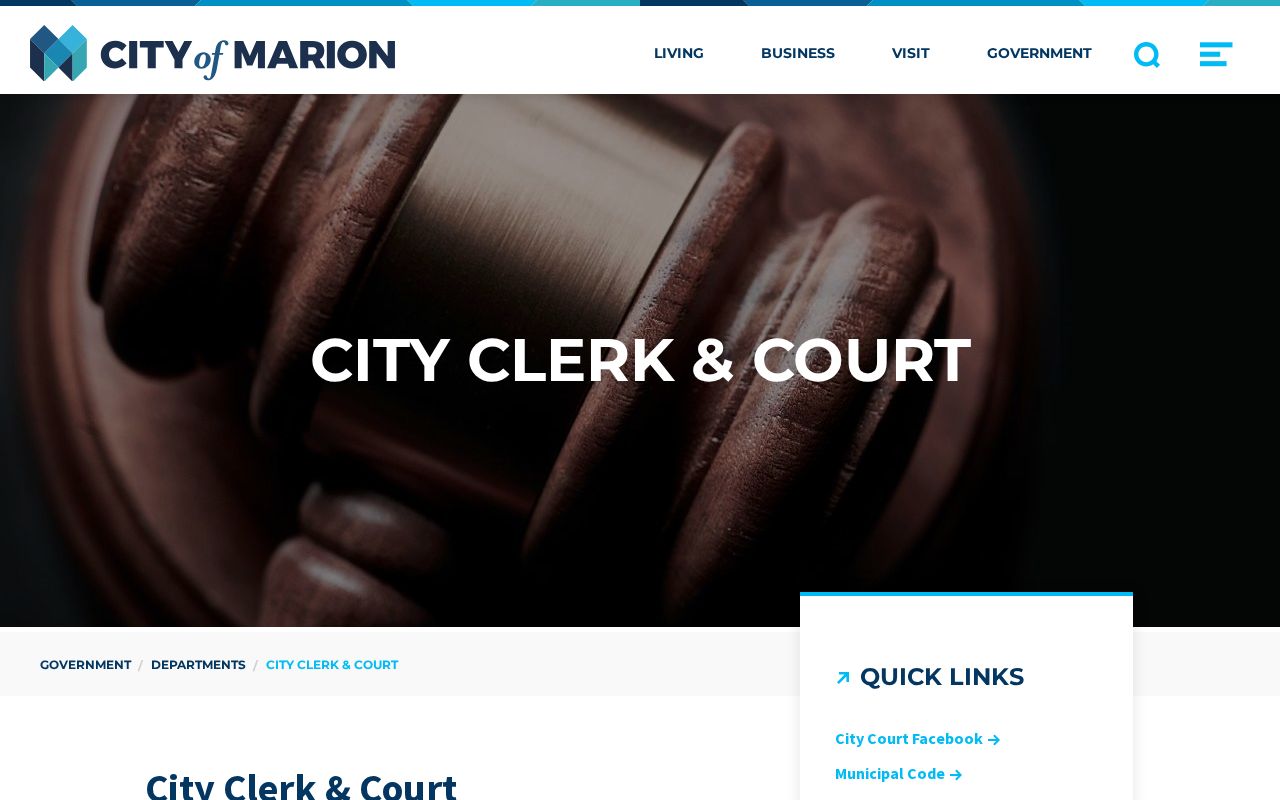
Marion's city cases stay with the city clerk and court, apart from the Grant County courthouse clerk.
Arrest Warrants, Summonses, and Bench Warrants
Each paper calls for a different response. An arrest warrant commands custody on the spot. A summons directs a person to appear, with no arrest attached. In Grant County, a bench warrant usually follows a missed duty in a case already open. Skip a summons and later court action may follow, including a warrant, yet the summons and the warrant remain distinct court records.
| Feature | Arrest Warrant | Summons | Bench Warrant |
|---|---|---|---|
| What It Orders | Arrest | Appearance on the stated date | Arrest after a missed duty |
| Basis | Probable cause or indictment | Notice to answer the case | Failure to appear or comply |
| Who Issues It | Judge | Court through lawful process | Judge in the pending case |
| Response | Counsel, planned surrender, bail, hearing | Appear as directed | Ask about reset, recall, and appearance |
For the missed-duty order, see the Grant County bench warrant lookup.
Grant County Arrest Warrant Bail Review
Bail is not a fee that wipes a warrant away. It is a release condition the court controls. Grant County's local bail schedule lists the bond forms and categories, but the real outcome turns on the charge, the warrant's own language, prior events, and the judge's order. Some serious offenses skip the schedule. Those require an open-court determination instead of automatic release. Before you appear, ask the clerk whether bail is printed on the warrant, whether a judge must review it, and which Grant County court will hold the hearing. A lawyer can time the surrender. Counsel can also seek a controlled appearance. The sheriff can explain booking or agency routing, but cannot promise a bond amount or recall the issuing court's warrant.
Handling an Arrest Warrant in Your Name
Get the details straight first: court, case number, warrant date, charge, and current status. A blank MyCase result is not proof the order is gone. Only the issuing court can confirm that. Talk with counsel about a controlled surrender, bail, and the first appearance. If the record sits in Marion or Gas City City Court, that city clerk handles it, not the Grant County clerk.
- Search the public docket and record the exact court and cause number.
- Confirm public details with that court’s clerk.
- Speak with a lawyer before going to a police or sheriff office.
- Ask about bail, booking, hearing time, and any motion the court permits.
- Keep the release paper, receipt, and later docket order.
Important: Talk with a lawyer before surrender; an active Grant County arrest warrant can lead to custody during law-enforcement contact.
Grant County Arrest Warrants in Gas City
Gas City Court, code 27H01, runs its own city misdemeanor, infraction, and ordinance docket. It is separate from the Grant County Clerk. The official Gas City Court page lists the court's contact details. It shows 211 E. Main Street and phone 765-677-3081.
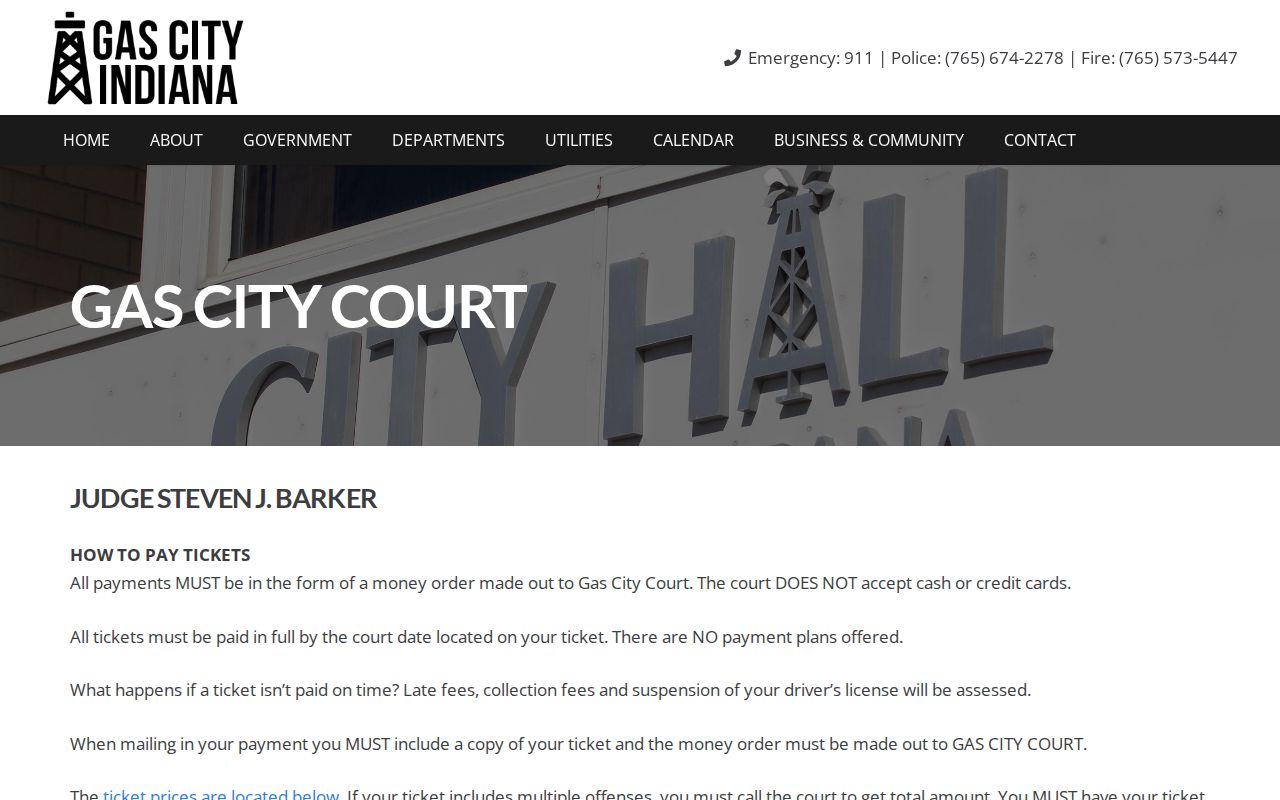
That court page routes a Gas City case to the office that owns its docket. Its ticket-payment rules do not govern every criminal warrant. Ask the clerk for instructions on your specific case. A city police officer may serve a valid order, but the Gas City judge controls bail and later court action. For a Grant County court warrant tied to a Gas City event, follow the court named in MyCase. The place of contact does not control the venue.
Grant County Arrest Warrants Versus Other Orders
Indiana's e-Tax Warrant Search Service tracks tax warrants only, by subscription. It holds no Grant County criminal arrest warrants. The official tax-warrant service page makes that distinction clear.
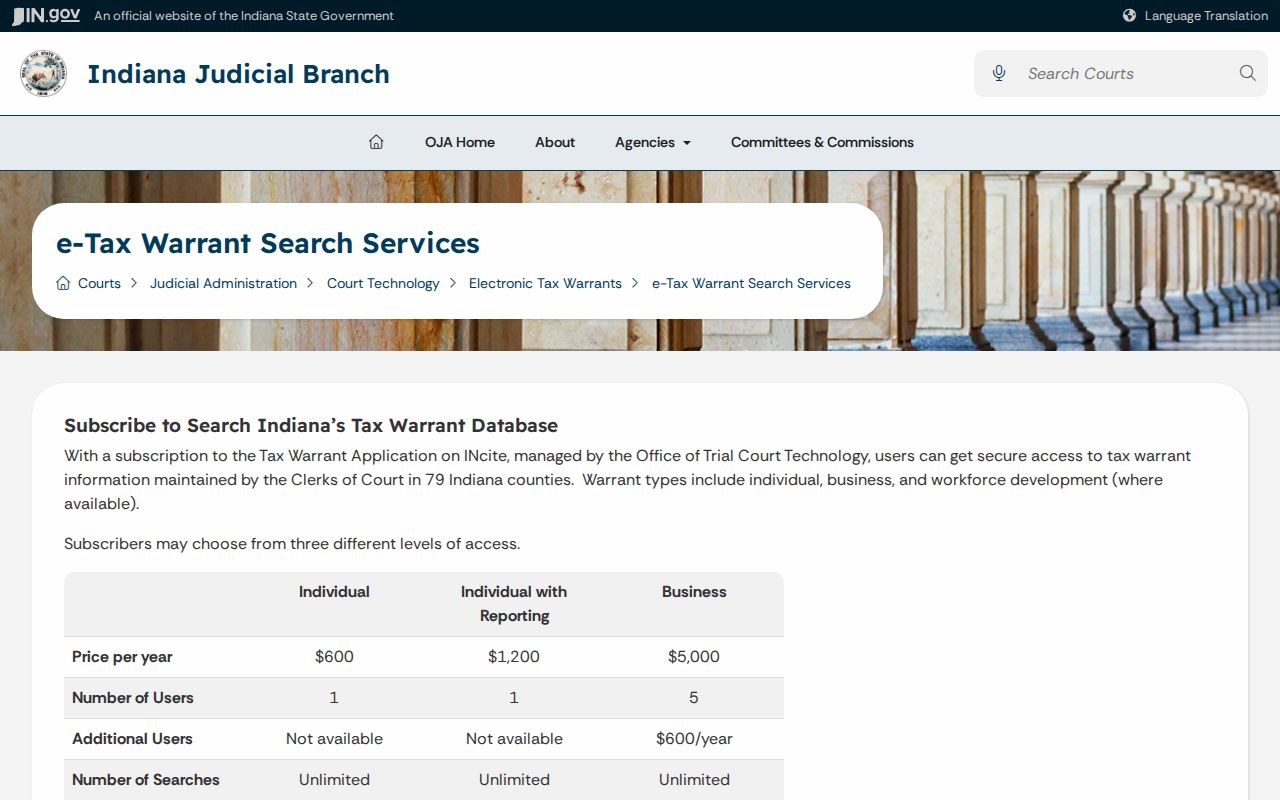
A tax lien or tax warrant result tells you nothing about a Grant County criminal arrest warrant. Confuse the two and you chase the wrong record. Federal warrants follow another track. They run through the Northern District of Indiana and federal law-enforcement systems. PACER can supply federal docket information. It is not a complete public live-warrant list. An ordinary Grant County warrant should be confirmed with the county or city court that issued it.